
Key facts: Leisure World
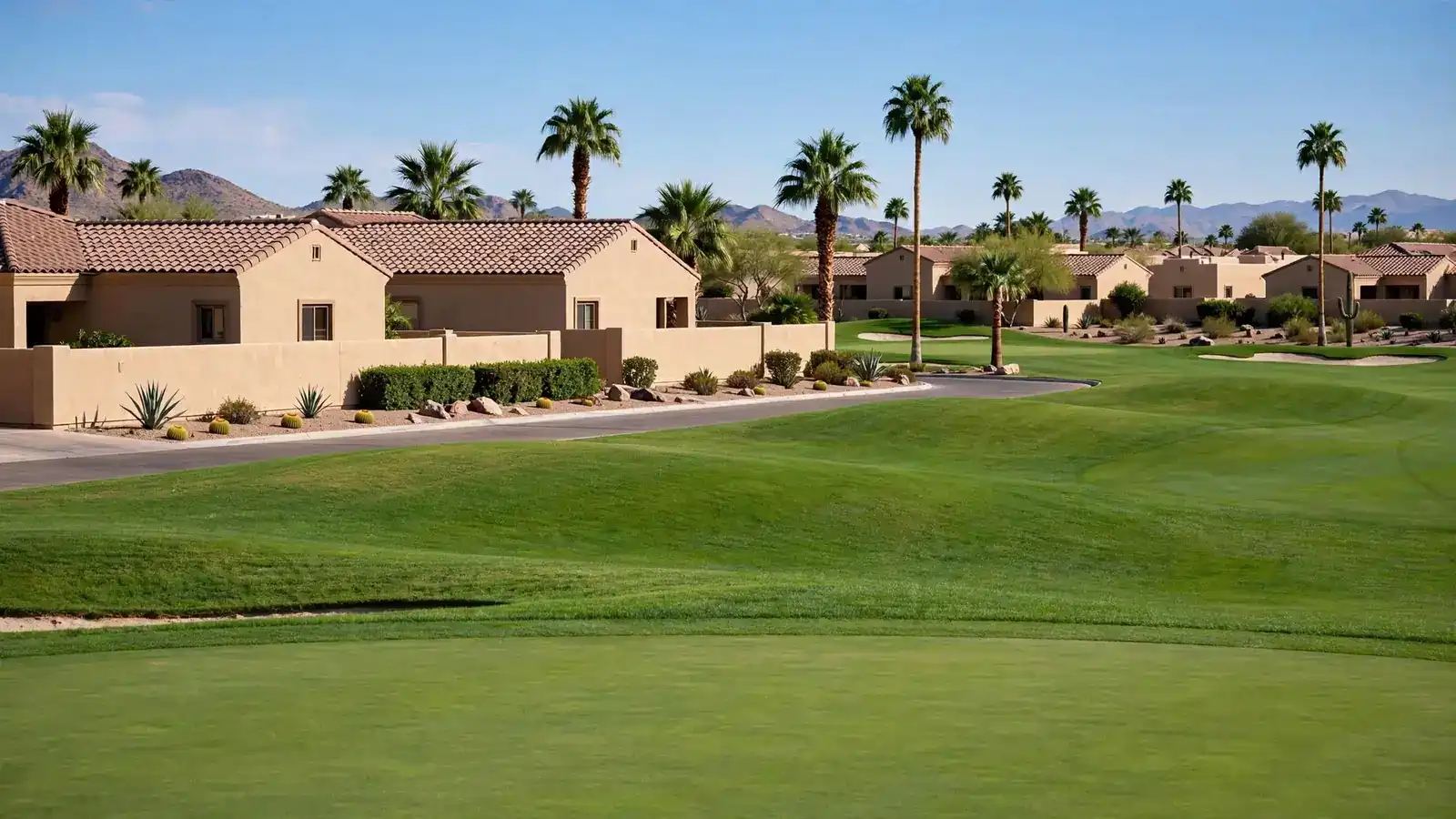
- Leisure World is a gated, age-restricted community in east Mesa with single-storey homes and golf courses.
- Older adults are among the groups most affected by smoke particles [1].
- Replacing medications and medical equipment is often an urgent need after a home fire [2].
- Many residents are seasonal, so fires may be found later than in year-round homes.
- The covered ZIP code for Leisure World on this site is 85206.
Covered area
ZIP codes covered in Leisure World
Calls from these Leisure World ZIP codes can reach an independent restoration contractor working in the area.
- 85206Leisure World and surrounding east Mesa neighborhoods.
About Leisure World
A community built around retirement
Leisure World opened in east Mesa in the 1970s as a gated, age-restricted community, with golf courses, clubhouses, pools and activities. Homes are single-storey, mostly frame and block with stucco or painted exteriors and tile or shingle roofs, many with attached garages or carports. Homes range from original condition to fully remodeled.
Residents are older adults, many retired, some living alone, and some winter visitors who spend the hot months elsewhere. Community management controls gate access and has rules about exterior appearance and contractor activity.
For fire restoration, the human side comes first: health, medications, mobility and temporary housing. The technical side, with older materials, single-storey attics and cooling systems, follows.
Construction
Leisure World construction details
Single-storey homes
One attic spans the house, carrying smoke from end to end.
1970s and 1980s materials
Older textures and flooring may need testing before disturbance.
Accessibility features (Leisure World)
Grab bars, ramps and walk-in showers need protecting or replacing.
Carports and garages
Golf carts and their batteries often stored there.
Golf course lots
Open rear views and patios facing fairways.
Community rules
Gate access, work hours and exterior standards.
Residents
Health comes first
Smoke residue contains fine particles that can affect the heart and lungs, and the EPA lists older adults among the more sensitive groups [1]. Cleaning, demolition and odor treatment stir particles back into the air. Residents with heart or lung conditions, oxygen equipment or limited mobility are usually safer staying elsewhere until the heavier work is finished.
Medications exposed to heat or smoke should be discarded and replaced; the American Red Cross helps people after home fires replace prescriptions and medical equipment [2]. Oxygen concentrators, CPAP machines, hearing aids, walkers and wheelchairs exposed to smoke should be checked before use.
Assessment
What a contractor should check in a Leisure World home
- 1
Resident needs
Medical equipment, mobility aids and medications located and protected.
- 2
Attic
Smoke across the single shared attic.
- 3
Older materials (Leisure World)
Textures and flooring sampled before disturbance.
- 4
Accessibility features (Leisure World)
Ramps, grab bars and showers protected or listed for replacement.
- 5
Carport or garage
Golf carts, batteries and stored items.
- 6
Cooling system
Ducts and air handler checked before use.
What you might see
Leisure World fire damage clues
| What you notice | Likely reason | What to ask |
|---|---|---|
| Smell throughout the house | Smoke through the single attic | Will the attic be cleaned? |
| Soot on medical equipment | Smoke reached the bedroom | Can equipment be cleaned or must it be replaced? |
| Golf cart scorched in the garage | Garage or carport fire | Who handles the battery? |
| Stained older ceiling texture | Soot in texture | Has it been tested? |
| Odor when AC runs | Smoke in ducts | Will ducts be cleaned? |
| House found smoky after months away | Seasonal home fire found late | How much needs replacing? |
Working in a gated community
Gate access and community coordination
Leisure World controls who enters. Restoration crews, adjusters and other contractors need to be on the gate list, and the community may have rules about work hours, parking for trucks and dumpsters, and exterior appearance. Tell the contractor on your call that the home is in a gated community and who to contact for access. Family members helping from out of state can arrange access with management.
Family support
Families helping from a distance
Many Leisure World residents have children or relatives who live elsewhere. A single family point of contact who coordinates with the insurer, contractor and community management makes the process smoother. Insurers may need written permission from the policyholder before discussing the claim with family members.
Our guide on helping older relatives after a fire covers practical steps, from replacing medications to choosing temporary housing and avoiding pressure from contractors.
- Choose one family coordinator
- Get written authorization for the insurer
- Arrange gate access
- Keep a shared claim folder
Winter visitors
Seasonal residents
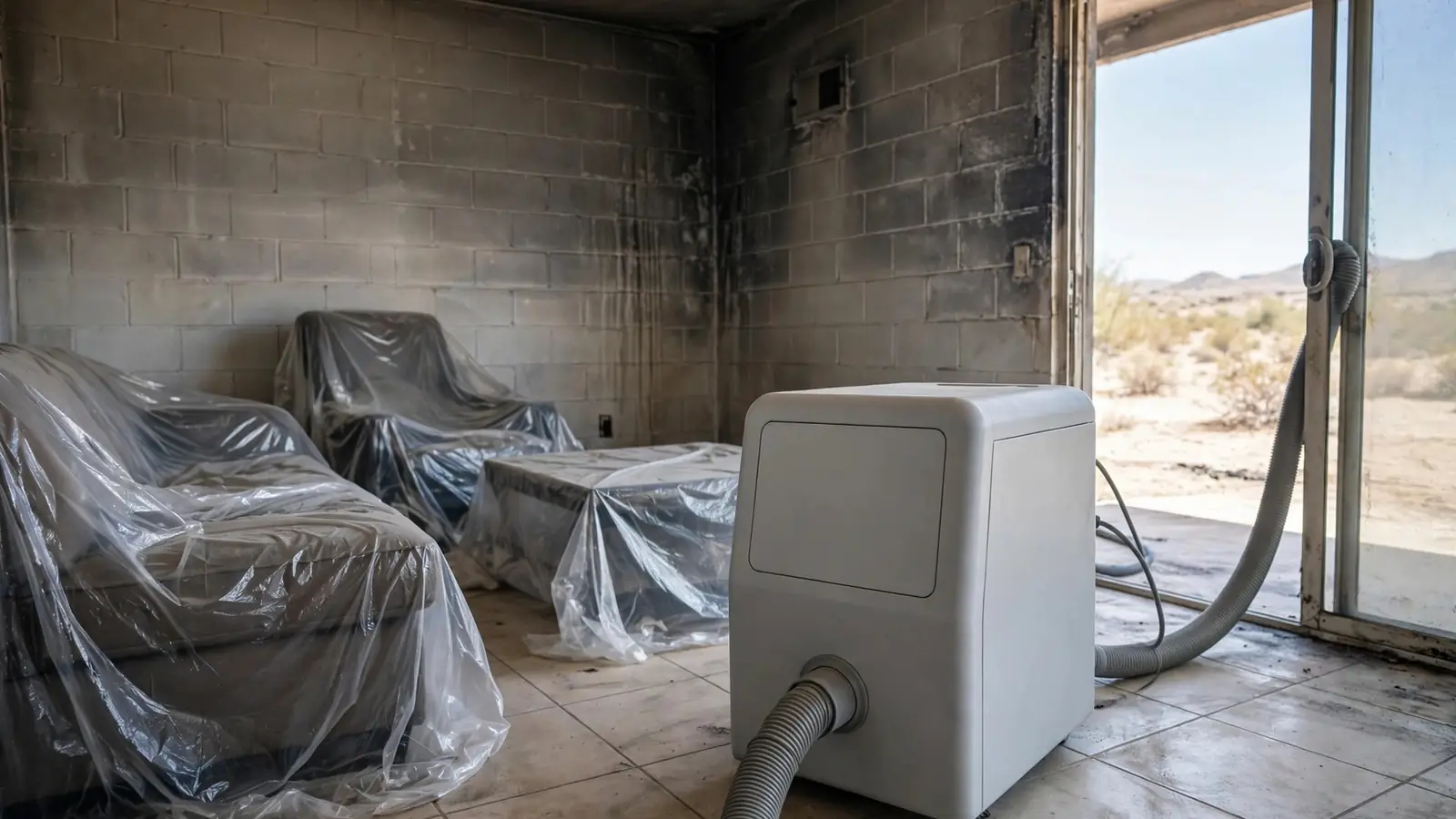
Some Leisure World homes are empty for the summer. A fire in an empty home may not be noticed for days or weeks, and heat in a closed house bakes residue and odor into materials. Late-discovered fires usually need more replacement of porous materials. Remote-monitored smoke alarms and a neighbor or management check during summer help limit damage.
Golf carts
Golf carts and their batteries
Golf carts are common in Leisure World and are usually stored in garages or carports. Their batteries, whether lead-acid or lithium-ion, can be involved in fires. Damaged lithium-ion batteries can reignite. Lead-acid batteries can leak acid. Leave damaged carts and batteries for professionals, and tell the fire department and contractor about them.
Restoration
How restoration usually runs in Leisure World
Securing and drying follow the usual order, coordinated with community access rules. Cleaning covers the whole house through the single attic path, with older materials tested first. Odor work focuses on the attic, ducts and soft furnishings. Accessibility features are protected during work and replaced if damaged. Repairs need City of Mesa permits for regulated work and community approval for visible exterior changes.
Summer
Heat and older adults
A house without cooling after a summer fire is dangerous for older adults. The National Weather Service Phoenix office warns that extreme heat is a serious health risk [3]. Restoring safe cooling, or temporary housing with cooling, is a priority if a fire happens in the warm months.
Prevention
Reducing fire risk in a Leisure World home
- Test smoke alarms monthlyReplace alarms over ten years old.
- Keep oxygen away from flamesNever smoke or use candles near oxygen equipment.
- Charge golf carts safelyUse the correct charger in a ventilated space.
- Keep space heaters clear (Leisure World)Three feet from bedding and curtains.
- Ask someone to check a seasonal home (Leisure World)Regularly during summer.
Week one
A typical first week after a Leisure World fire
- 1
Leisure World day 1
Resident safe and housed, medications listed, insurer and management notified, house secured.
- 2
Leisure World days 1-2
Water extracted; drying started; gate access arranged for crews.
- 3
Leisure World days 2-3
Older materials tested; contents and medical equipment sorted.
- 4
Leisure World days 3-5
Drying monitored; attic and ducts inspected.
- 5
End of the first Leisure World week
Scope agreed with resident and family.
Services
Services Leisure World residents ask about
Helping older relatives (Leisure World)
Practical steps for families.
Read moreOdor in the attic
Removing smoke smell.
Read moreSmoke cleanup
Room by room.
Read moreRestoration timeline (Leisure World)
What to expect.
Read more
Older materials
Older materials in 1970s and 1980s homes
Many Leisure World homes date from the 1970s and 1980s. Sprayed ceiling textures, some floor tiles and adhesives from that era may contain asbestos, which the EPA advises testing before disturbance. [5] Fire and water can damage these materials. Contractors should sample suspect materials before cleaning, scraping or removing them, and keep residents away from work areas until testing is complete.
Common fires
Kitchen fires and oxygen safety
Cooking fires are common at any age, and older residents may be more likely to be distracted or tired while cooking. A stovetop fire's smoke spreads quickly through a single-storey home. Residents who use home oxygen face an additional risk: oxygen makes fires burn hotter and faster, and smoking, candles or open flames near oxygen equipment are a serious hazard. After any fire involving oxygen equipment, the equipment supplier should inspect it before use.
Clean or replace
What usually happens to Leisure World materials
| Material | Usual outcome | Note |
|---|---|---|
| Older ceiling texture | Tested, then sealed, cleaned or removed | Possible asbestos |
| Painted drywall | Cleaned, primed and repainted | Stain-blocking primer |
| Attic insulation | Usually replaced if smoky | Holds odor |
| Grab bars and fixtures | Cleaned or replaced | Acidic residue tarnishes metal |
| Carpet and pad | Pad usually replaced | Trip hazards removed promptly |
| Mattress and bedding | Usually replaced | Hold smoke deeply |
Where to stay
Temporary housing for older residents
Choosing temporary housing for an older resident means thinking about accessibility, cooling, medications and familiar routines. A ground-floor hotel room or short-term rental with step-free access and reliable air conditioning is often best. Some residents stay with family; others prefer to remain near friends and activities in the area. Many homeowner policies include additional living expenses; keep receipts and ask the adjuster about limits.
Communication
Keeping residents informed
Restoration involves many decisions over several weeks. Older residents may find frequent calls from contractors and adjusters confusing or stressful. A single family coordinator, written summaries of decisions and a simple folder of documents help. Ask the contractor to send written updates to both the resident and the family coordinator.
Community
Neighbors and community support
Leisure World residents often look out for one another. Neighbors may notice smoke in an empty seasonal home, help with pets or offer a place to stay. Community clubs and management can share information about contractor access and rules. If a neighbor's home burns, check your own attic and filters for smoke, and photograph any damage to the side of your house facing the fire.
Storage
Carports, garages and stored belongings
Many Leisure World homes have carports or attached garages used for golf carts, cars and storage of holiday decorations, tools, paperwork and keepsakes collected over a lifetime. A carport or garage fire can affect the house through shared walls and the attic, and smoke can soak into stored boxes. Ask the contractor to help sort stored belongings carefully, separating items with sentimental value for specialist cleaning.
Paperwork
Documents and keepsakes
Older residents often keep important documents and treasured photographs at home. After a fire, set aside anything paper or photographic that is wet or smoky. Wet paper and photos can be frozen until a specialist can dry them; smoky items can often be cleaned. Make a list of documents to replace, starting with identification, Medicare and insurance cards, prescriptions and bank cards.
Returning
Before an older resident moves back home
- 1
Cleaning and odor finished
The house should smell clean on a warm afternoon.
- 2
Alarms new or tested
Smoke and carbon monoxide alarms working.
- 3
Cooling clean and running
Especially in summer.
- 4
Medical routines set up
Medications and equipment in place.
- 5
Clear, safe paths
No trip hazards from repairs or returned contents.
- 6
Accessibility restored
Grab bars, ramps and showers back in place.
Rules
Community rules and work hours
Gated communities often limit contractor work hours, parking for trucks and dumpsters, and noise. Knowing these rules helps the contractor plan and avoids delays. Ask community management for any written rules and share them with the contractor and adjuster.
Golf course lots
Golf course homes in Leisure World
Many Leisure World homes back onto fairways with open rear views, patios and large sliding doors. If a fire breaks through the back of the house, those openings need braced boarding. Equipment and debris usually go through the front of the property to protect course landscaping, and community management handles any ash on common areas.
Patios and outdoor furniture collect ash after a fire. Clean them with gloves and a mask, avoid blowing ash around, and have outdoor cushions cleaned or replaced if they smell of smoke.
Winter
Heating in winter months
Winter residents arriving in late autumn often switch on heating that has been idle for months. Dust on heating elements and furnace burners can smell or smoke briefly; persistent smoke or a burning odor needs attention. Space heaters should be kept three feet from bedding and curtains and plugged directly into wall outlets.
Late discovery
Seasonal homes found smoky
When a winter resident returns in autumn to find a home that had a small fire over the summer, the damage is often more set in than a fire dealt with the same day. Months of heat in a closed house drive residue into paint, drywall paper, cabinets and soft furnishings, and odor builds up. Cleaning may need to be more aggressive, and more porous materials replaced. Photograph everything before touching anything, contact your insurer promptly and keep receipts for any hotel stay while the home is restored.
Pets
Pets in a retirement community
Many Leisure World residents keep small dogs, cats or birds. Birds are especially sensitive to smoke and fumes. Move pets out of the house during cleaning and odor treatment, wipe paws that touch soot, and watch for coughing or lethargy afterwards. A veterinarian can advise if a pet was exposed to heavy smoke.
Medical needs
Medications and medical supplies
Medicines exposed to heat or smoke should be discarded, even if sealed, because heat can change how they work and smoke residue can contaminate packaging. Make a complete list of prescriptions, doses and prescribing doctors, and contact the pharmacy for emergency refills. Diabetic supplies, inhalers, eye drops and similar items should also be replaced. Keep receipts; many policies cover replacement as part of the contents claim.
FAQ
Leisure World fire restoration questions
Does this line cover Leisure World?
Yes. Calls from ZIP code 85206 can reach an independent restoration contractor serving the area.
Should my parent stay in the house during cleanup in Leisure World?
Usually not during heavier stages, especially with heart or lung conditions or in summer heat.
Can medical equipment be cleaned after smoke?
Some can; equipment like oxygen concentrators and CPAP machines should be checked by the supplier.
How do contractors get through the gate?
The resident or family arranges access with community management.
What about our golf cart?
If it was near the fire, leave it for professionals; damaged batteries can be hazardous.
Can I manage the claim for my parent in Leisure World?
Insurers may need written permission from the policyholder.
Our home was empty all summer and we found smoke damage. What now?
Call the insurer and a contractor promptly; late-found smoke often needs more replacement.
Do repairs need community approval?
Visible exterior changes usually do.
Do I need permits to rebuild in Leisure World?
Regulated repair work in Mesa generally needs City of Mesa permits, including for homes in Leisure World.
Can grab bars and ramps be replaced?
Yes; list them for the claim so accessibility features are restored.
Is home oxygen a fire risk?
Yes. Oxygen makes fires burn hotter and faster. Keep flames and smoking away and have equipment checked after any fire.
Can my parent stay with neighbors in the community?
If their home was unaffected and the community allows it, that can keep routines familiar.
Do grab bars need replacing after smoke?
They are cleaned or replaced if acidic residue tarnished them.
Should the popcorn ceiling be tested?
In homes from the 1970s and 1980s, yes, before any scraping or removal.
Can wet photographs be saved?
Often. Freezing them until a specialist can dry them prevents sticking and mold.
What does a resident need before moving back?
A clean, odor-free house, working alarms and cooling, medications and equipment in place and clear paths.
Does the community limit work hours?
Often. Ask management for the rules and share them with the contractor.
Is a burning smell from the furnace normal in autumn?
A brief dusty smell can be; persistent smoke or burning odor is not. Turn it off and have it checked.
Who cleans ash from the golf course?
Community management handles common areas.
Will my insurer cover a fire found months later?
Many policies cover it, but report it promptly and check your policy's conditions for vacant or seasonal homes.
Can heat damage spread after the fire is out?
Heat in a closed house sets residue and odor deeper, increasing what needs cleaning or replacing.
Who can check my home while I am away?
A neighbor, family member or management service; regular checks help catch problems early.
Is smoke dangerous for my bird?
Birds are very sensitive to smoke and fumes. Keep them well away until the house is cleaned and aired.
Can I bring my pet to temporary housing?
Many hotels and rentals accept pets; ask when booking.
Do sealed medicines need replacing after a fire?
If they were exposed to heat or smoke, yes. Ask your pharmacy for emergency refills.
Can community clubs help after a fire?
Many residents find practical support through neighbors and clubs; management can share resources.
Should a family member be present at inspections?
It often helps older residents. Arrange gate access and let the contractor know who will attend.