
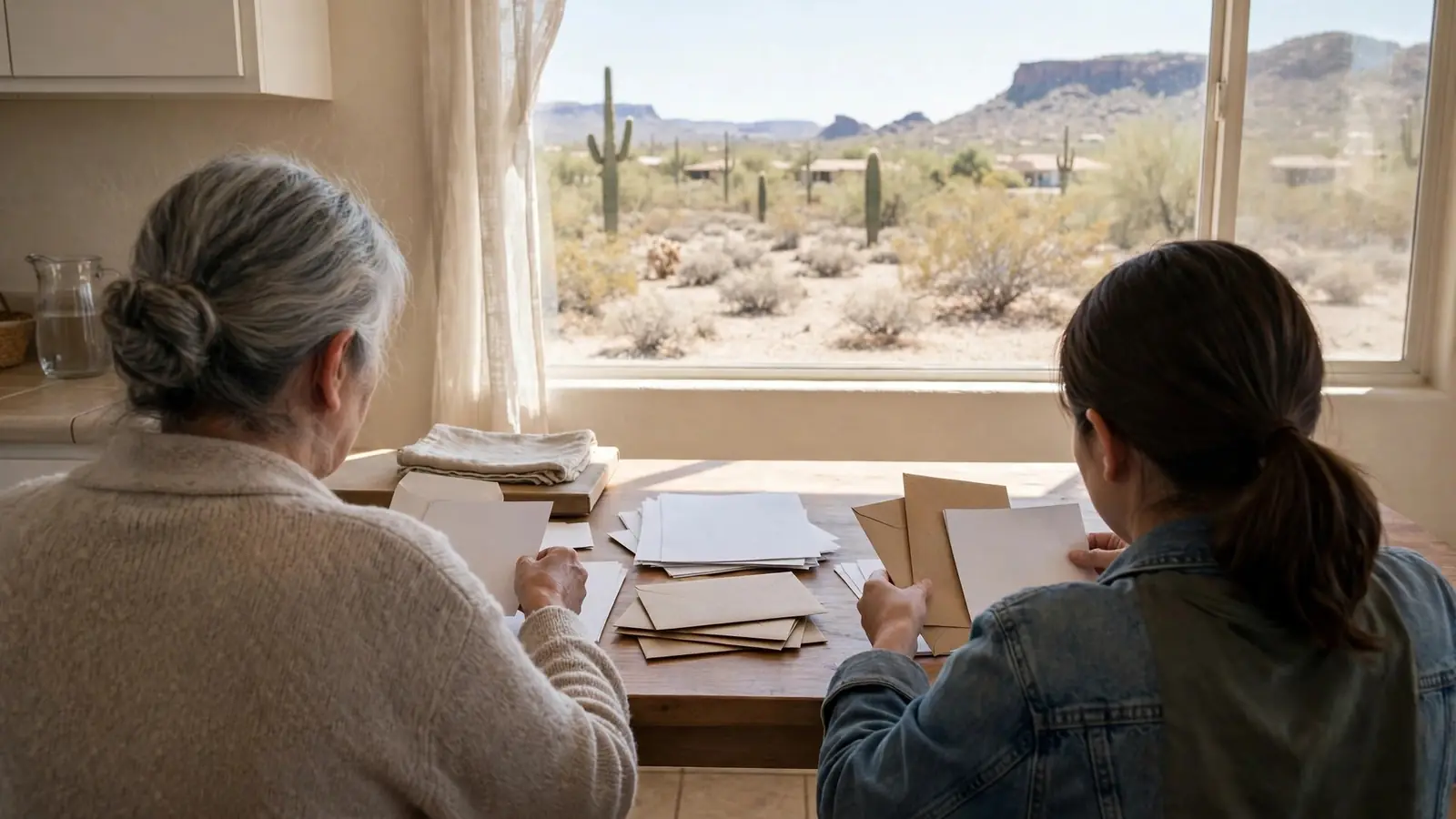
Key facts: Helping older relatives after a fire
- Older adults are among the people most affected by smoke particles [1].
- Replacing medications and medical equipment is often an urgent need after a fire [2].
- Temporary housing is often safer during cleanup for older adults with health conditions.
- Keeping a single folder for photos, receipts and notes simplifies the insurance claim.
Background
Why older adults need extra support
Older adults may have heart or lung conditions that make smoke exposure more serious, may depend on medications and medical equipment that were damaged, and may find the paperwork and decisions after a fire overwhelming. Some live alone; some are winter residents whose family is in another state.
Family members can help by handling logistics, keeping track of decisions and making sure health needs come first.
Checklist
First priorities
- 1
Health first
Check for smoke exposure symptoms and get medical advice if needed.
- 2
Medications and equipment
List and replace medications, glasses, hearing aids, oxygen and mobility aids.
- 3
Somewhere safe to stay
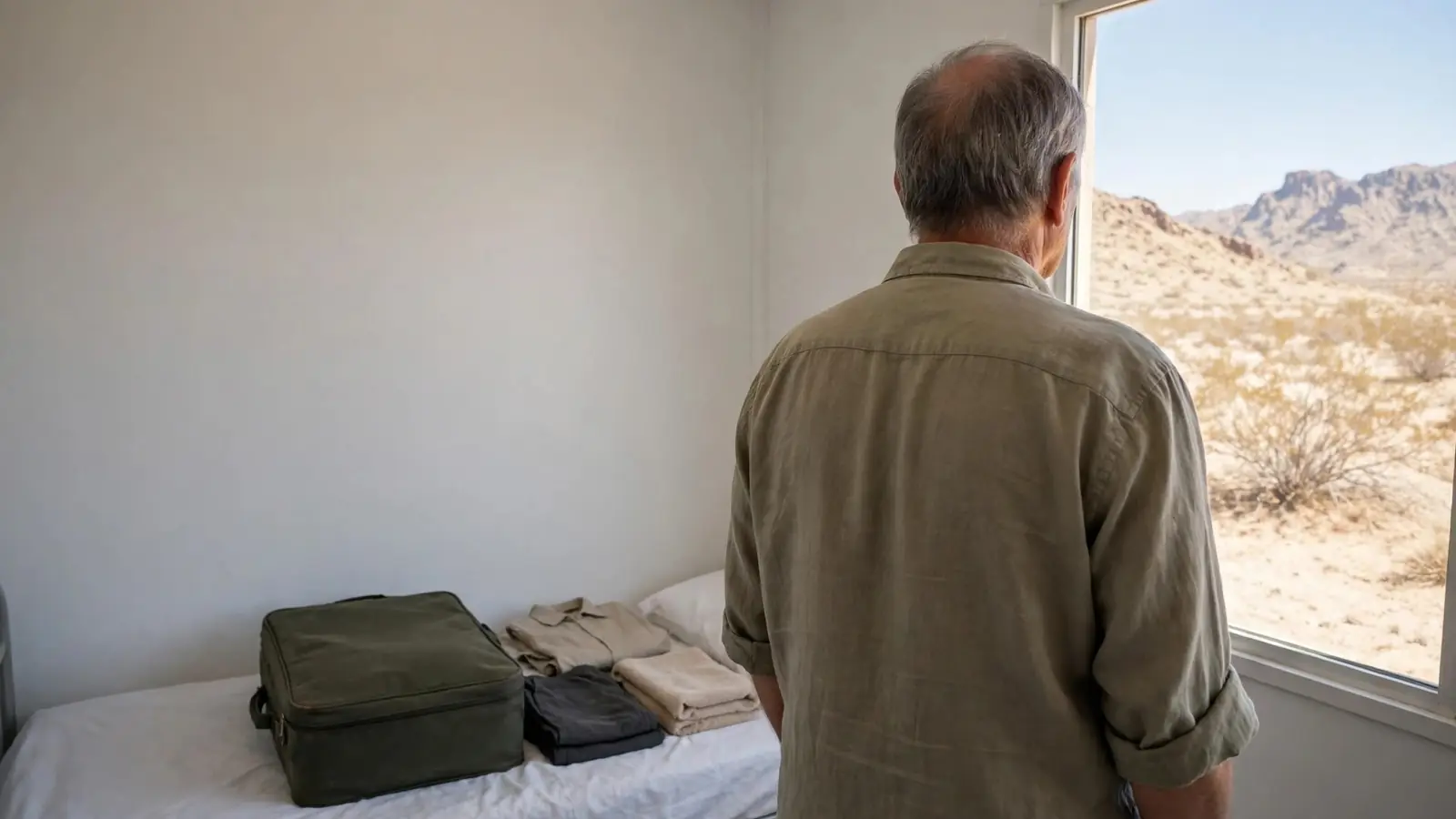
Arrange temporary housing that suits their needs, especially in summer heat.
- 4
Contact the insurer
Help start the claim and keep the claim number handy.
- 5
Important documents
Identify what needs replacing: ID, Medicare and insurance cards.
- 6
One point of contact
Choose one family member to coordinate.
Health
Smoke and health
The EPA notes that fine particles can affect the heart and lungs, and that older adults are among the more sensitive groups [1]. Keep older relatives away from the house during cleaning and demolition, when residue is stirred up. If they experience shortness of breath, chest pain, dizziness or confusion, seek medical care. Cleaning and odor treatment should be finished before they move back.
Replacements
Medications and medical equipment
The American Red Cross helps people after home fires replace lost or damaged prescriptions and medical equipment [2]. Pharmacies can often help with emergency refills. Make a list of every medication, dose and prescriber, and of equipment such as oxygen concentrators, CPAP machines, walkers and hearing aids. Medicines exposed to heat or smoke should be discarded.
Contacts
Who to contact
| Need | Contact |
|---|---|
| Immediate shelter and supplies | American Red Cross |
| Insurance claim | Their homeowner insurer |
| Medications | Pharmacy and prescribing doctor |
| Community rules and access | HOA or park management |
| Post office hold or forwarding | |
| Restoration | A restoration contractor |
Mesa notes
Retirement communities and seasonal residents
In age-restricted and gated communities, management can help with access for contractors and may have rules about repairs. For winter residents who are away when a fire happens, a trusted local contact can meet contractors and insurers, photograph damage and keep the owner informed.
Insurance
Managing the insurance claim together
Insurance paperwork can be the most stressful part for an older homeowner. Offer to keep the claim folder: the claim number, adjuster contact details, photos, receipts and notes of every call. Some insurers will speak with a family member only with written permission from the policyholder, so ask the insurer what they need. Sit in on calls or meetings with the adjuster where your relative wants you to.
Help them list damaged belongings room by room. Old photos, family members' memories and receipts or bank statements help fill in details. Remind them not to throw away damaged items before the adjuster has seen them or agreed.
Contractors
Choosing contractors with care
After a fire, contractors sometimes approach homeowners directly. Older adults can feel pressure to decide quickly. Encourage your relative to take time, read any contract fully, and check that the contractor is licensed with the Arizona Registrar of Contractors and insured. Large advance payments are a warning sign. A family member reviewing the contract before signing is a reasonable safeguard.
Coping
Emotional support
Losing familiar surroundings and possessions can be especially hard later in life. Some older adults feel embarrassed to ask for help or worry about being a burden. Regular visits or calls, involving them in decisions and helping them recover meaningful items such as photographs and keepsakes can make a real difference. Disaster relief organisations, including the Red Cross, offer emotional support as well as practical help.
Returning
Preparing for the move back home
- 1
Confirm the house is clean
Cleaning and odor treatment should be finished.
- 2
Check alarms
Smoke and carbon monoxide alarms should be new or tested.
- 3
Restore medical routines
Set up medications and equipment before move-in day.
- 4
Clear paths
Make sure walkways are free of trip hazards after repairs.
- 5
Check cooling
Make sure the cooling system is clean and working, especially in summer.
Daily life
Pets and routines
Many older adults live with pets that are an important part of their routine. Make arrangements for pets during temporary housing, and keep them away from the house during cleaning. Familiar routines, such as regular meals, walks and appointments, help reduce stress. Bring familiar items such as a favourite chair blanket or photos to temporary housing once they have been cleaned.
Paperwork
Documents to replace
Fires often damage important papers. Make a list of what needs replacing, starting with what is most urgent: identification, Medicare and insurance cards, prescriptions, bank cards, the insurance policy itself, deeds or titles and any legal documents such as powers of attorney. Agencies and institutions have replacement processes, and many can be started online or by phone with a family member's help.
FAQ
Questions from families
Is it safe for a parent to stay home during cleanup?
Usually not during the heavier stages, especially with heart or lung conditions.
How do we replace lost medications?
Contact their pharmacy and doctor; the Red Cross can also help with urgent needs.
Can a family member handle the claim?
Insurers may need written authorization from the policyholder; ask the insurer what they require.
How do we check a contractor in Arizona?
Look up their licence with the Arizona Registrar of Contractors and ask for proof of insurance.
How can I help from out of state?
Coordinate by phone, keep the claim folder online, and ask a trusted local friend or neighbor to meet contractors.
Should older relatives return during repairs?
Usually not until cleaning and odor work are finished and the house is safe.
Can my parent's pet stay with them in temporary housing?
Many hotels and short-term rentals accept pets; ask when booking, or arrange care with family or friends.
What if my parent wants to stay in the damaged house?
Explain the health risks of smoke residue and cleaning work, and ask their doctor to advise if needed.
Can a neighbor help if we live far away?
Yes. A trusted neighbor can meet contractors and check the house; give them written permission if the insurer needs it.